Chairgun Elite Ballistic Tool
- 3.5
- Rating
- 50.00K
- Installs
- Free
- Price

 Analysis by App-foxy
Chairgun Elite Ballistic Tool is the kind of sports app I would open with a very specific job in mind: turning shooting inputs into a more informed ballistic calculation. It is made by JetLab, LLC, and its focus is much narrower than a general fitness tracker, sports news app, or range log. That narrow purpose is also its main appeal. If you want a dedicated tool for working through trajectory-related information, it is more relevant than a broad sports app filled with features you may never use.
I approached it as a practical companion rather than something to browse casually. The app’s store summary calls it a ballistics calculator, while the short description identifies it as Chairgun Elite. That tells you the important thing immediately: this is built around calculation and preparation, not entertainment. My overall impression is that it can be useful for shooters who already understand the basics of their equipment and want a focused mobile reference, but it is less welcoming if you expect a guided introduction to external ballistics.
How the app fits into a real shooting routine
In everyday use, a ballistic calculator is most valuable before the shooting session, not while you are trying to make rapid decisions under pressure. I would use an app like this at home or at the range bench to organize the information I already know about a setup, check how a change might affect the result, and keep a calculation close at hand when conditions or equipment change. That makes Chairgun Elite more of a preparation instrument than a replacement for judgment.
You May Also Like

 Pandora - Music & Podcasts
Pandora’s Music Is Easy to Start, but Harder to Recover
Pandora’s strength is its low-effort path from a seed to a station. Its weak spot is how much confidence it asks you to place in connection, setup, and quiet recovery.

 AccuWeather: Weather Radar
AccuWeather Review: A Quick, Clear Forecast for Everyday Decisions
For everyday plans, the best forecast is the one you can understand quickly. AccuWeather makes rain timing, radar, and local conditions easy to act on, with a few trade-offs.

 Hill Climb Racing
Why Hill Climb Racing Still Turns Crashes Into One More Run
A tiny car, a bumpy hill and one more upgrade: Hill Climb Racing keeps resurfacing because its simple chaos makes every near-miss feel personal.

 AliExpress - Shopping App
AliExpress Makes Global Shopping Feel Personal, but Shoppers Bear the Risk
AliExpress turns a global marketplace into a pocket-sized discovery engine. Its reach is useful, its shopping loop compelling, and its trade-offs easy to miss.

 Lords Mobile: Kingdom Wars
Lords Mobile Is a Kingdom-Building Routine, Not a Quick Match
A case-by-case verdict on the building, battles, device demands, and social commitments that make Lords Mobile rewarding for some players and exhausting for others.

 PDF Scanner app - TapScanner
TapScanner Makes Paperwork Easier to Capture, Check, and Share
TapScanner makes scanning with a phone feel less like a rescue operation and more like a dependable step in getting work done. Its capture tools are useful, though not flawless.
More From Our News Desk
View All News


A realistic scenario would be preparing for a weekend range visit. I might enter the details of a particular rifle and ammunition combination, review the resulting trajectory information, and then compare that setup with another one before packing my gear. The useful part is not simply seeing a number appear. It is having a repeatable way to think about the relationship between the setup and the expected flight path. That process can expose an assumption I had overlooked before I arrive at the firing line.
This is also where the app’s category matters. As a sports ballistics app, it serves a specialized hobby and practical activity rather than a mass audience. Someone searching for workout plans or live match scores will find little reason to install it. Someone who regularly tunes a shooting setup, studies trajectory, or wants a portable calculation tool is much closer to the intended audience.
A focused tool rather than a teaching course
I would not treat Chairgun Elite as a complete shooting education. A calculator can help organize inputs and produce useful estimates, but it cannot replace safe handling, careful observation, a properly confirmed zero, or responsible decisions in the field. Beginners may need outside explanations for concepts such as sight height, drag, velocity, and the difference between a calculated result and a confirmed result.
That distinction is important because a polished-looking output can create false confidence. The app is most helpful when I use it to form a testable plan, then check that plan against real conditions. If I were introducing a new shooter to the subject, I would pair the app with instruction rather than hand over the phone and assume the numbers explain themselves.
What the free entry point means for value
Chairgun Elite is free to install, which lowers the barrier to trying it. That is meaningful value for a specialized tool: you can decide whether its approach fits your workflow before committing money. The app has a general Everyone content rating, so its store classification is broad and accessible rather than restricted to an older audience.
There are in-app purchases ranging from $1.49 to $24.99 per item. I see that as a tiered commitment rather than a reason to assume the whole experience is paid. The practical question is whether the free access already covers the calculations you personally need. Because the purchase range is wide, I would test the basic workflow first and only pay after identifying a specific limitation that matters to me.
That approach is especially sensible for occasional users. If I only visit a range a few times a year and need a simple reference, free access may be enough to justify keeping the app installed. A frequent shooter who depends on a more complete workflow may find the paid options more relevant, but the value still depends on how often the app replaces another tool in that routine.
What I would check before spending
I would begin by entering one familiar setup and seeing whether the process feels understandable from start to finish. The key test is not just whether the app produces a result, but whether I can tell which inputs matter, revise them without confusion, and return to the same setup later. If the basic interaction feels awkward, paying for additional access will not solve the underlying learning curve.
I would also avoid buying immediately just because the app presents itself as a specialist calculator. Specialist does not automatically mean better for every user. A paid option is worthwhile when it saves repeated manual work, supports a workflow I actually use, or gives me a clearer way to compare setups. It is poor value if I only open the app once, do not understand the inputs, or prefer a paper range card for my established equipment.
The store information places the current version at 4.9.0 and lists Android compatibility from version 6.0 onward. That makes the app accessible to a broad range of older Android devices, although I would still judge the experience on the phone I plan to carry. A calculator that is technically compatible but uncomfortable to read or operate at a bench is not automatically convenient in practice.
Strengths, friction, and the tradeoffs behind the numbers
The strongest quality here is focus. Chairgun Elite is not trying to be a social network, a training diary, or a general-purpose outdoor companion. That means the app has a clear reason to exist on my phone. When I want a ballistic calculation, I do not have to sift through unrelated sports content first. For a specialized activity, that directness can matter more than a long feature list.
A second strength is repeatability. I can approach different equipment questions using the same digital tool instead of rebuilding every calculation from scratch. That is useful when comparing ammunition, sight settings, or other variables in a controlled way. The important habit is to change one factor at a time whenever possible. If I alter several inputs together, the result may change, but I will learn less about what caused the difference.
One less obvious use is as a pre-range checklist. Before leaving, I can use the calculation process to notice missing information. If I cannot confidently provide an input, that is a signal to verify the equipment or record the measurement rather than guess. In that sense, the app can improve preparation even before I trust a result enough to use it as a reference.
Another useful workflow is maintaining separate mental or written records for separate setups. I would not casually treat one calculation as universal for every rifle, pellet, optic, or sighting arrangement. A calculated result belongs to the particular combination that produced it. Keeping that discipline prevents one of the most common practical mistakes: carrying a familiar number into a different configuration and assuming it still applies.
Why calculated results still need field confirmation
The main limitation is inherent to the category. Ballistic calculations are only as dependable as the information entered and the assumptions behind the model. Real conditions can differ from the conditions I had in mind, and equipment can perform differently from its nominal specifications. A calculator helps me estimate and compare; it does not turn uncertain inputs into measured facts.
For that reason, I would confirm an important setup at a known distance and record what actually happened. If the observed result differs from the calculated one, I would treat that difference as information to investigate rather than simply forcing the app to agree with the range. This is a more responsible workflow than adjusting numbers until the output looks reassuring.
The learning curve is another tradeoff. A dedicated ballistic tool may be more capable than a simple range card, but capability can make the first session slower. If I am completely new to the subject, I may spend more time learning terminology and deciding what to enter than I expected. That is not necessarily a flaw, but it changes who gets immediate value from the app.
There is also a practical screen-and-environment issue. Phones are convenient, but a phone is not always the easiest object to operate outdoors. Glare, cold hands, rain, or limited attention can make a printed reference or a dedicated range instrument simpler. I would prepare the information before shooting rather than depend on making complex changes during a critical moment.
How it compares with simpler alternatives
The usual alternative is a handwritten or printed range card. That option is faster once the setup is confirmed, works without a battery, and avoids entering data at the bench. Chairgun Elite is more flexible when I am still exploring a setup or want to compare scenarios, while a range card is better for quick reference after the work is finished.
Another alternative is a general ballistic calculator with a broader ecosystem. A broader app may suit someone who wants mapping, weather information, range logging, or other connected tools in one place. Chairgun Elite is more attractive when I want a focused calculation experience and do not need a large collection of unrelated functions. The tradeoff is that a specialist tool may require me to use separate apps or notes for everything outside its central purpose.
Manual calculation and reference tables remain useful for people who want to understand the underlying math or avoid depending on a phone. They are slower to adjust and less convenient for comparing multiple scenarios, but they can make the assumptions more visible. I would choose Chairgun Elite for convenience and iteration, not because it eliminates the need to understand what I am calculating.
Who is likely to get the most from it
I think the best match is an intermediate shooter who already knows the basic details of a preferred setup and wants a mobile way to organize ballistic work. That user can judge whether an output looks plausible, recognize when an input is uncertain, and confirm important conclusions at the range. The app can then become a useful part of a repeatable preparation routine rather than a mysterious answer machine.
It may also suit an enthusiast who frequently changes equipment or enjoys comparing configurations. In that case, the ability to revisit calculations and think through differences can save time over repeatedly searching for scattered notes. The benefit is greatest when the user is methodical and willing to label setups clearly.
I would be more cautious recommending it to a complete beginner who wants step-by-step coaching. The app may be a helpful reference during learning, but it should not be the only source of instruction. I would also suggest skipping it if someone only wants a quick, fixed reference for one already-confirmed setup; a simple card may be cheaper in attention and easier to use.
The audience size gives some context without changing that conclusion. The app has passed 50K installs, with an average rating of 3.5 from 504 ratings and 38 written reviews. I read that as evidence of real interest but also a reminder to keep expectations measured: this is a niche tool with mixed user sentiment, not an automatically perfect solution for every shooting workflow.
My buying decision after testing the idea
My recommendation is to start with the free version and judge it against one real task. Do not evaluate it by browsing screens or by assuming that a specialist label guarantees a professional result. Enter a setup you understand, see whether the workflow is clear, and ask whether the output helps you make a better preparation decision than your current notes or calculator.
If the free experience fits and a paid item addresses a limitation you have actually encountered, the purchase can make sense. The highest price point listed is $24.99 per item, so I would be deliberate before choosing the most expensive option. For a frequent user, that may be reasonable if it becomes part of regular preparation; for an occasional user, it may be difficult to justify compared with a simple reference card.
My final view is favorable but conditional. Chairgun Elite offers a focused way to work with ballistic calculations, and its free entry point makes experimentation less risky. Its real value appears when I use it thoughtfully: keep setups separate, verify uncertain inputs, change variables methodically, and confirm important results in real conditions. If that sounds like the kind of process you want, I would try it. If you want instant answers, beginner-friendly lessons, or a broad all-in-one outdoor app, I would choose a different tool.
My practical verdict: install it if you are prepared to learn the inputs and use calculations as a planning aid. Skip the purchase until the free access proves useful in your own routine, and never treat the screen as a substitute for safe practice or field confirmation. For the right shooter, this is a purposeful sports utility; for everyone else, its specialized nature may feel like unnecessary complexity.
FAQs for Chairgun Elite Ballistic Tool
01What is ChairGun Elite Ballistic Tool used for?
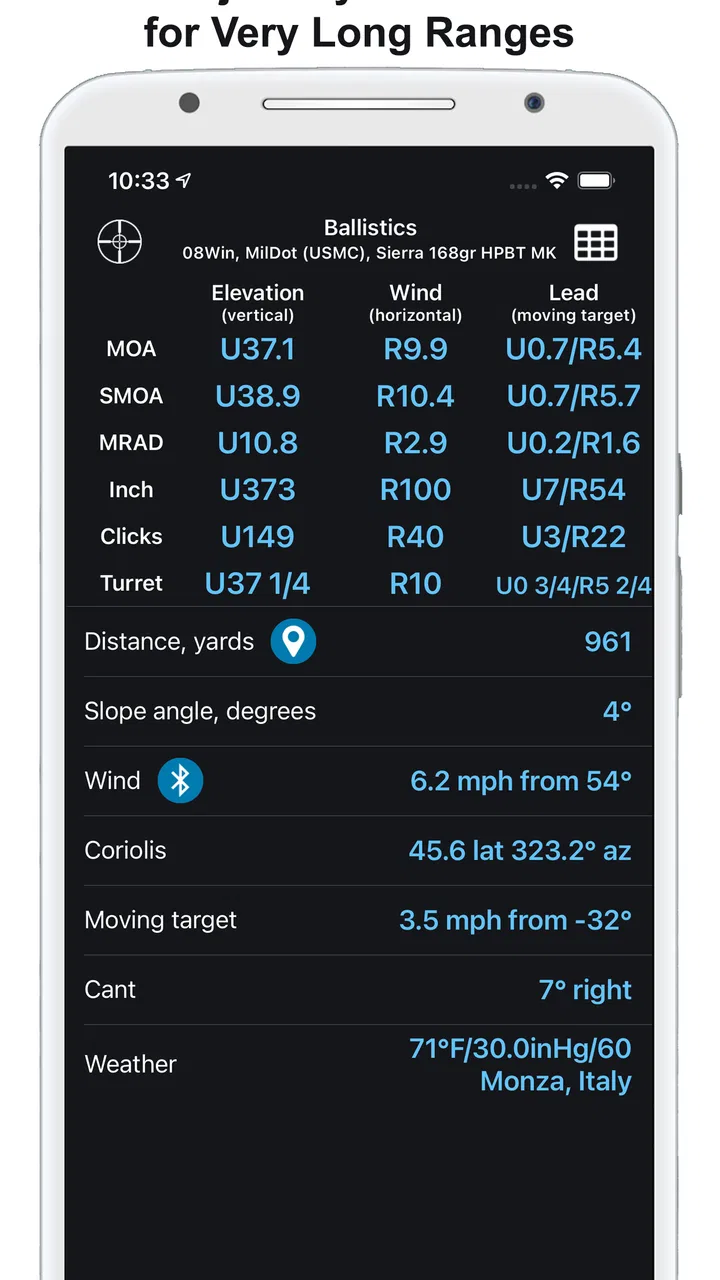
ChairGun Elite Ballistic Tool is designed to help airgun and shooting enthusiasts calculate external ballistics. It can estimate trajectory, pellet drop, holdover, clicks, wind drift, energy, and related shooting data based on information such as caliber, pellet weight, muzzle velocity, scope height, and zero distance. It is mainly a planning and reference tool, not a substitute for practical range testing.
02Is ChairGun Elite suitable for beginners?
The app can be useful for beginners, but it may feel technical at first because accurate results depend on entering realistic ballistic and equipment data. New users should learn what each setting means, especially ballistic coefficient, velocity, scope height, and zero range. It is best to compare the app’s calculations with confirmed shots at a safe range before relying on them.
03What information do I need to enter for accurate calculations?
For meaningful results, you should provide as much accurate information as possible about your setup. This normally includes the airgun’s caliber, pellet model, pellet weight, measured muzzle velocity, scope height, sighting distance, and environmental conditions such as wind or temperature when supported. Manufacturer specifications can be a starting point, but chronograph and range measurements usually produce more dependable results.
04Can ChairGun Elite replace real-world sighting and range testing?
No. ChairGun Elite should be treated as a ballistic calculator and preparation aid rather than a replacement for zeroing your rifle. Pellet performance can vary between guns, velocities may change, and real conditions can affect trajectory. After creating a profile, confirm the predicted holdover and impact points at known distances, then adjust your scope or data using actual shooting results.
05Does ChairGun Elite Ballistic Tool work offline and is it available for every device?
The core calculations may be usable without a constant internet connection, but availability and offline behavior can depend on the specific version, operating system, and device. Before downloading, check the current store listing for Android or iOS compatibility, required permissions, pricing, and update history. Some features, databases, or external resources may require access to the internet or additional configuration.
Pros
- Supports detailed ballistic calculations for long-range shooting.
- Offers trajectory data across multiple distances and shooting conditions.
- Useful tools for comparing ammunition and rifle setups.
- Can help estimate wind drift
- elevation
- and bullet drop.
- Designed for shooters who need more precise range adjustments.
Cons
- Advanced options may be confusing for beginners.
- Accurate results depend on entering precise firearm data.
- Some features may require manual calibration and testing.
- The interface feels dated compared with newer ballistic apps.
- Not ideal for casual users who only need basic trajectory estimates.

Chairgun Elite Ballistic Tool
Gallery